Summer and fall were traditionally peak season for food preservation when people relied exclusively on what they could grow locally. But in our modern world, supply chains bring all kinds of food to us year round. There are plenty of opportunities to put food away during the winter too! Whether it is food at risk of going to waste or a fun weekend project, marmalades, kimchis, sauerkrauts, and frozen food packs are a great way to save it for another day.
Where to get your goodies?
As always it’s great to use your purchases to support local food systems and fight food waste! For those in warmer climes - the growing season may never really stop - just slow down! For southern states, your garden or the local farmers’ market might be just the place to find food for canning. If you’re in a colder northern clime, you might still have a farmers’ market near you, where you can find produce grown in green- or hoophouses.
If you want to rescue food that’s about to be wasted, check your own fridge first! Whether it’s wilty spinach or a head of cauliflower you forgot about, you can cook it up and freeze it for another day. Nothing in the fridge? Apps like OLIO and Flashfood connect people with produce (and other foods) about to be tossed at supermarkets. Grab a highly discounted box of fruit or vegetables at your local store and see what you can do with the food you’ve rescued.
Marmalades, preserves, and jams
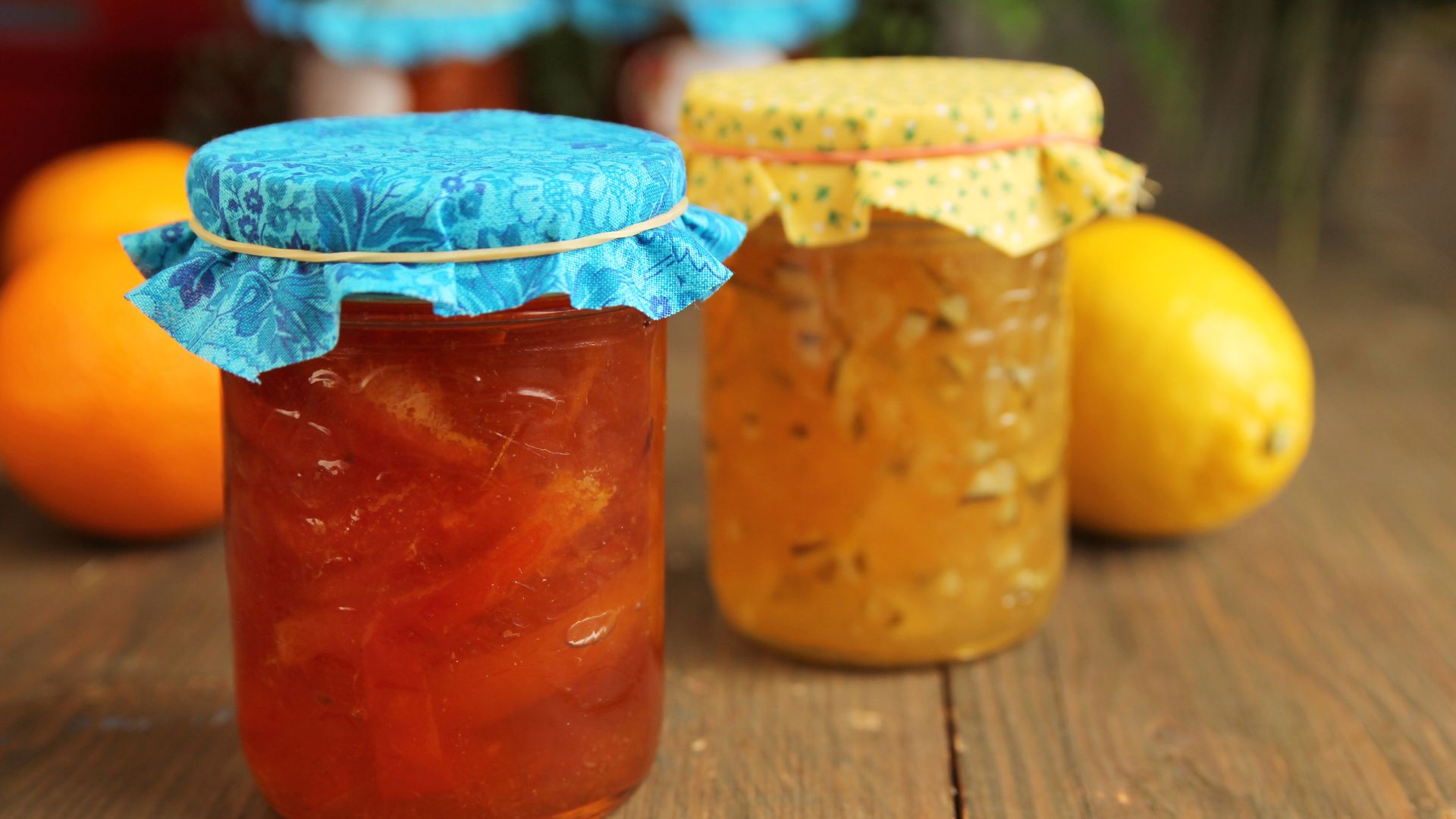
Winter means one thing in warmer climes: citrus fruit! If you have an abundance of citrus you can make a whole range of marmalades or preserves. It’s hard to go wrong with a classic orange, or you can make one with a mix of different citrus. Simply spread on toast or scones and enjoy.
Preserved lemons are hard to find and cost-prohibitive at the grocery store, but make your own and you have a low cost high reward garnish for your salads, sauces, or grains. Feeling extra fancy? You can do a lemon curd - just know that curds cannot be made shelf stable in a home kitchen so just make as much as you can eat in the next month or so.
Do some fermenting
A lot of winter vegetables — cauliflower, cabbage, radish — are popular choices for fermented foods. Whether you go the Korean route with kimchi, or the German one with sauerkraut, there are tons of recipes that will help you turn excess vegetables into tangy garnishes or side dishes. Sauerkraut is on the simpler side: it is cabbage and salt fermented. Some recipes involve cooking the cabbage first, while others don’t (much like pickles!).
Traditional kimchi, like sauerkraut, is largely made of cabbage. However, it also contains other seasonings and spices like fish sauce, red pepper flakes, and fish sauce. And there’s a variety of other types of kimchi too, with different flavors and made from different vegetables: green onion, wild mustard greens, radishes, and more. Like canning, fermenting can be dangerous if you don’t follow safe processing practices, and an approved recipe closely, so make sure you use caution!
Cut and freeze
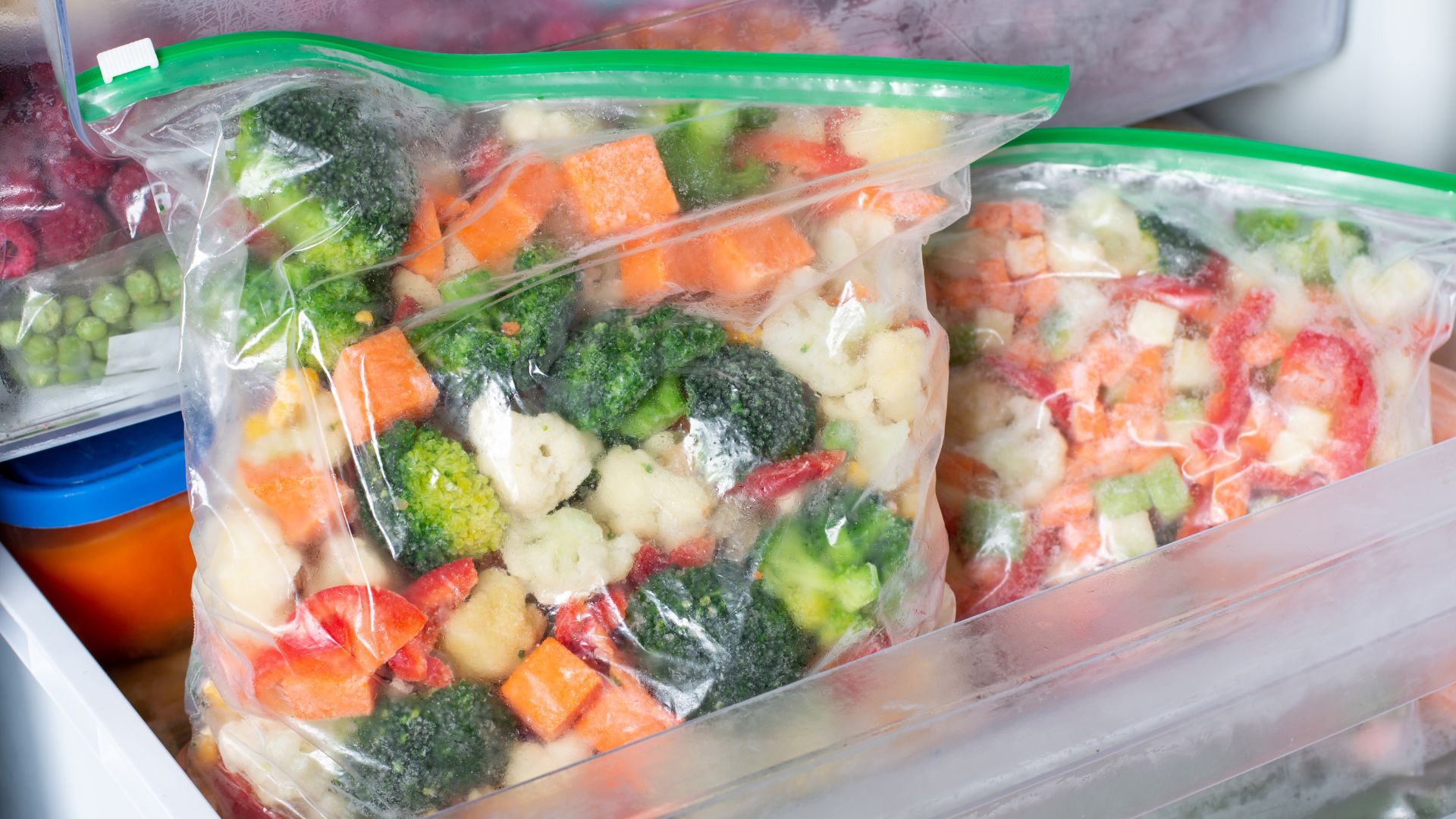
Most vegetables freeze up wonderfully! I am partial to the book Freeze Fresh by Crystal Schmidt, and there are plenty of other resources online too, such as the National Center for Food Preservation. Most vegetables are best blanched before freezing to retain their color, flavor, and nutrients. And many vegetables should be flash frozen - laid out on a baking sheet when they’re put into the freezer so they retain their shape and don’t smush into mush.
Soup season
There are many foods that are a delight once frozen, but soup is one of the easiest to batch prep and thaw. Blend up some squash and carrots (you can even add some ginger!) or whip up a winter vegetable soup. Once cooled, toss it in a plastic bag to be frozen and you’ve preserved your winter veg for later (and saved your future self some work).
Share!
Let us know how you’re preserving this winter! Tag us on Instagram!