Riding a bike or hopping on a scooter in wintertime can be intimidating, whether you’re contending with rain, ice, sleet, snow, or just colder temperatures than usual. But in places like the Netherlands and Denmark, year-round biking is the norm despite less-than-optimal weather. With better trip planning, the right gear, and small acts of advocacy, there’s a lot regular people can do to make micromobility more workable in winter.
Keep your trips short and pick the right routes
Reframing your expectations and understanding what’s possible near you is key to wintertime micro-mobility. You might not want to take hours-long joyrides in frigid and damp weather, but a quick trip to the store or a connection between buses to reduce your wait might still be feasible.
Your winter rides will certainly be different than your summer ones. You’ll want to make sure the paths you’re taking are reliably cleared and have alternate routes in mind if a plow creates a snow mountain right where you’ve been riding. And of course, you don’t have to ride every day! It’s perfectly fine to take alternative transport if conditions are too dangerous or unpleasant. If you feel miserable or unsafe riding you’re less likely to do it again. Wait for days that feel comfortable: for some people this might mean dry clear roads. Others might be ok with the rain or a light dusting of snow.
Get the right equipment
Practical, appropriate equipment is key! That doesn’t mean it needs to be expensive or bulky. Opt for waterproof outer layers with good breathability - rain pants and jackets that can go over your other layers such as a warm winter coat if needed. Rain capes or ponchos can be an effective way to cover your regular clothing comfortably, and if you pick a bright color, it will help you improve your visibility to motorists. Don’t forget your footwear: waterproof shoes with grippy soles are key to keep your feet dry and help with stability when stopping on snow or slush.
Light, windblocking gloves or even handlebar mitts if you’re going longer distances in extreme cold. Chain guards, fenders, and splash guards will reduce spray from puddles and slush. And if you’re carrying a bag, make sure it’s waterproof or well covered.
Invest in weather-appropriate tires to improve your traction - especially if you’re contending with ice. And don’t forget, winter means darker days so visibility and lighting are more important than ever. Make sure you have front and back lights installed, and that you're wearing reflective elements and high-contrast colors.
Understand winter bike- and scooter-share availability
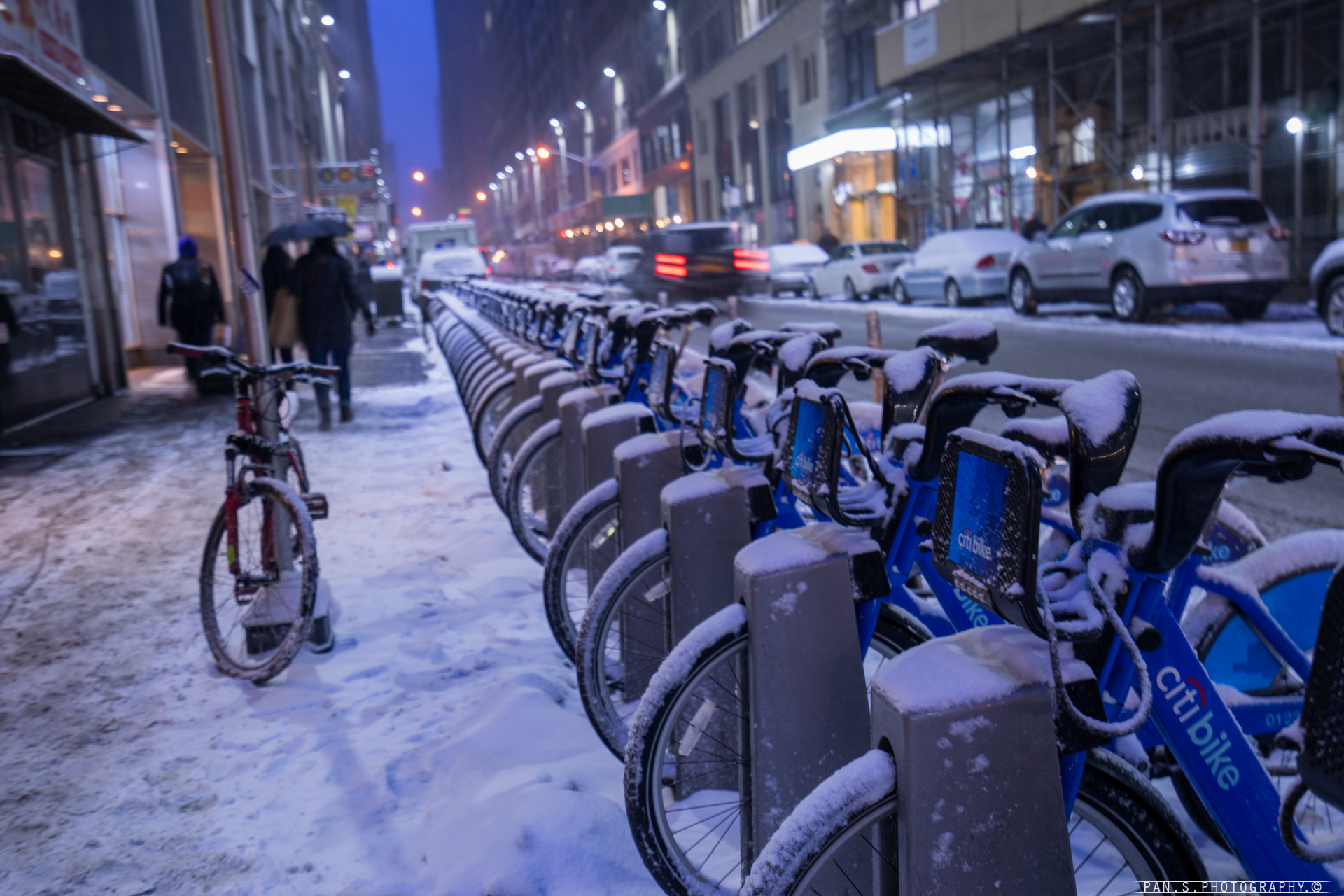
Learn about the availability of shared infrastructure near you before you leave the house. Some cities with harsh winter conditions have historically paused their bike share and removed stations to allow for snow removal and to keep equipment safe. But some cities, like Des Moines, Minneapolis, and Salt Lake City services are now experimenting with extending micromobility into the winter, with pauses for extreme weather. Just be aware that if services are available, they may be reduced or otherwise altered.
And remember, if you’re using a shared bike or scooter to check the brakes before you need them, and to be aware that tires may not have optimal grip for the conditions. Riding an e-bike? Remember that your batteries will drain faster!
Advocate for better (and safer) infrastructure
While there’s a lot individuals can do to make micromobility part of their routines in the winter, appropriate maintenance of infrastructure makes a huge difference. This starts with advocating for bike lanes and paths to be seen as transportation routes rather than seasonal recreation.
Encourage your local city government to plow and maintain routes. Share which routes are most usable with other local bikers through your micromobility information networks. And when new infrastructure is up for discussion, advocate for them to consider how it can be cleared year round.
Start small and stay flexible
All in all, embracing winter micromobility doesn’t mean you need to give up your other cold weather transportation options. It just means thinking of ways to reintegrate micromobility in your routine. It doesn’t need to be every day, but if you can make just a couple trips each week without burning fossil fuels, it can make all the difference.