As spring approaches, the ground and air grow warmer. Early-season crops like peas, carrots, and radishes can go in the ground as early as February or March in warmer planting zones. Those in Zones 6 and colder may need to wait a bit longer, but there’s plenty to do now to prepare. The key is to match your planting timeline and seed varieties to your climate.
Planning to reduce waste
Springtime excitement can make it easy to overplant, but don’t forget to consider what you ate last year and what made its way to your compost bin. Don’t fall victim to the pressure to grow everything, and make sure whatever you’re producing you have a plan for preserving or sharing the bounty! In my house, I’ve found that my toddlers love anything that can be picked and eaten fresh: snap peas are early season favorites, while radishes get soundly rejected as “spicy.” I’m always excited to get beets into the ground ASAP: us adults love them boiled and seasoned with salt and oil.
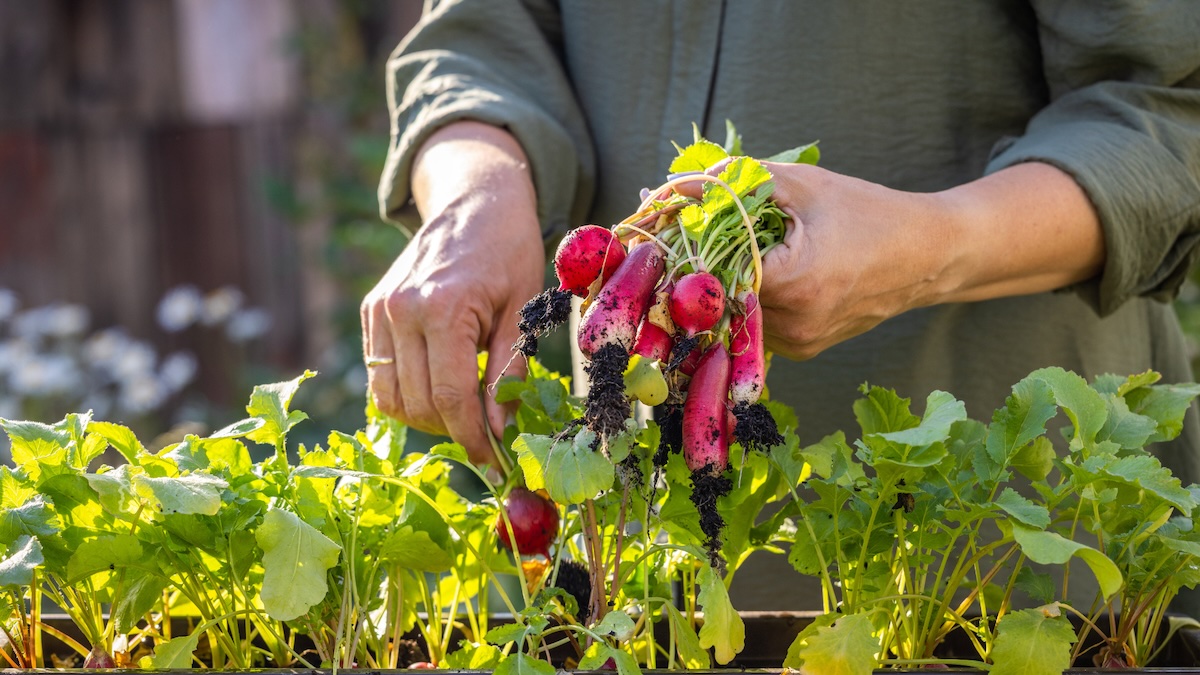
Cool-season crops
Lettuce, spinach, carrots, radishes, and peas are great cold-hardy crops that can resist a certain amount of frost. While they do well in low temperatures, these same crops can struggle in the summer heat, so it’s best to plant them as soon as the ground is workable. In Zones 9–10, they can be directly sown in February, while Zones 7-8 are looking at March. In zones 5-6 you’ll be waiting until April and Zones 3-4 later still.
Selecting the best varieties
Once you’ve got an idea of what you will want to plant, check on your available seeds and order what you need. This is an opportunity to get strategic with the seeds you purchase, as different varieties are bred for different weather conditions. You want to find those that work best with your climate and your planting plan.
Warmer zones (9-10) want quick-maturing varieties that can be harvested before days get too warm, like Sugar Ann snap peas, or those that can handle the heat, like Napoli Carrots. Zones 7-8 want those that can tolerate cooler nighttime temperatures while still maturing quickly.
In zones 5-6 cold hardiness is crucial. Little Marvel peas germinate well in cold earth and Detroit dark red beets love an early sowing (these are both favorites in my garden!). Zones 3-4 need even more resilience and cold tolerance, like Cherry Belle radishes or early brassicas like Early Jersey Wakefield.
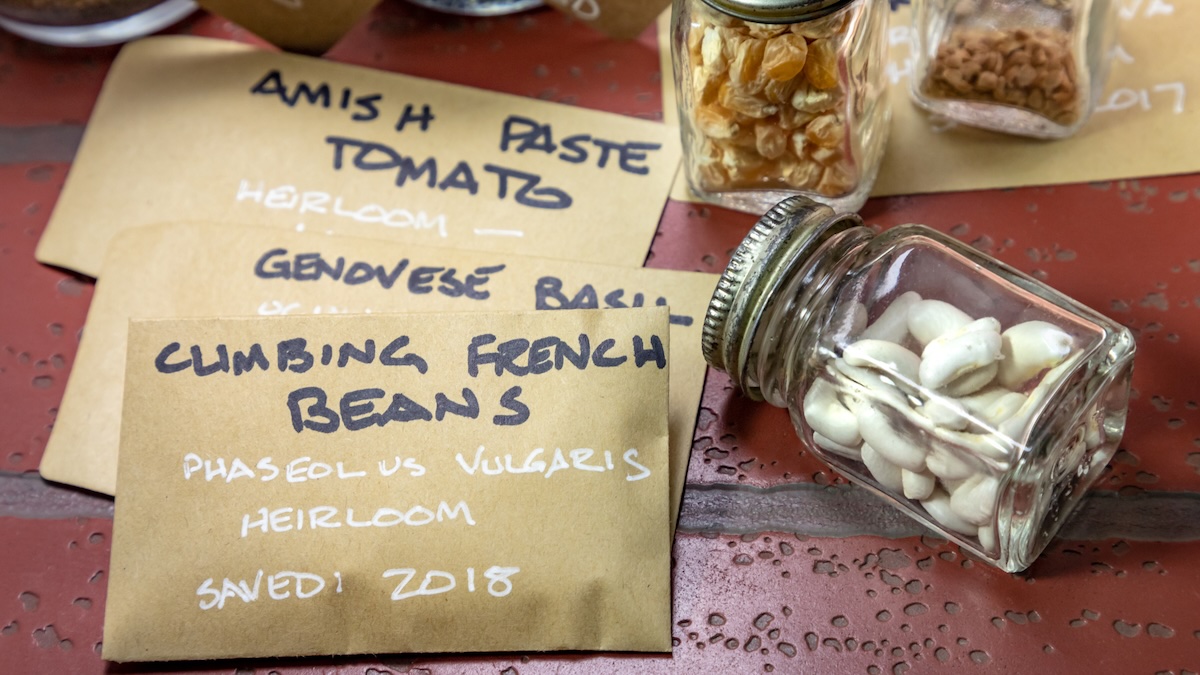
Seed starting
In Zone 9-10 time is of the essence for your seed starting. Get those seedlings going so they can start producing before the hottest days of summer. In Zones 7–8, late winter is a good time to start tomatoes, peppers, and brassicas indoors. And in zones 3-6, March is the perfect time to get going. Get strong, healthy seedlings to plant to get a jumpstart on your short growing season. Not one for seed starting? Visit a local nursery or farmer for your seedlings and save yourself the trouble.
Getting back outdoors
Beyond seed starting, there is plenty of other work to be done. Learn more here about trellising, and garden bed preparation. And no matter your planting zone, make spring a joyful time to get back outdoors and start working the soil, while also getting a head start on the growing season to come. While the calendar and your zone is a great way to get planning, don’t forget to let the weather itself be your guide, whether you’re sowing peas in February or waiting patiently for April soil to warm.