ReFED released its 2026 U.S. Food Waste Report earlier this month, and for the first time since the pandemic, food waste in the U.S. went down. Total surplus food came in at 70 million tons in 2024—a 2.2% drop from 2023.
That's 1.57 million fewer tons of food going to waste, and the equivalent of taking 844,000 cars off the road in avoided emissions.
The scale of the problem
Nearly a third of all food produced in the U.S. still ends up as surplus. That adds up to:
- $380 billion worth of food wasted annually
- $762 per person per year spent on food that never gets eaten
- 3.5% of all U.S. greenhouse gas emissions (equivalent to 51 million cars on the road)
- 24% of what goes into landfills is food—the single largest category
And while 48 million Americans faced food insecurity in 2024, less than 13% of food that could have been donated actually was. For those looking to help close that gap, food rescue organizations are one of the most direct ways to redirect surplus food to people who need it.
What's driving the decline
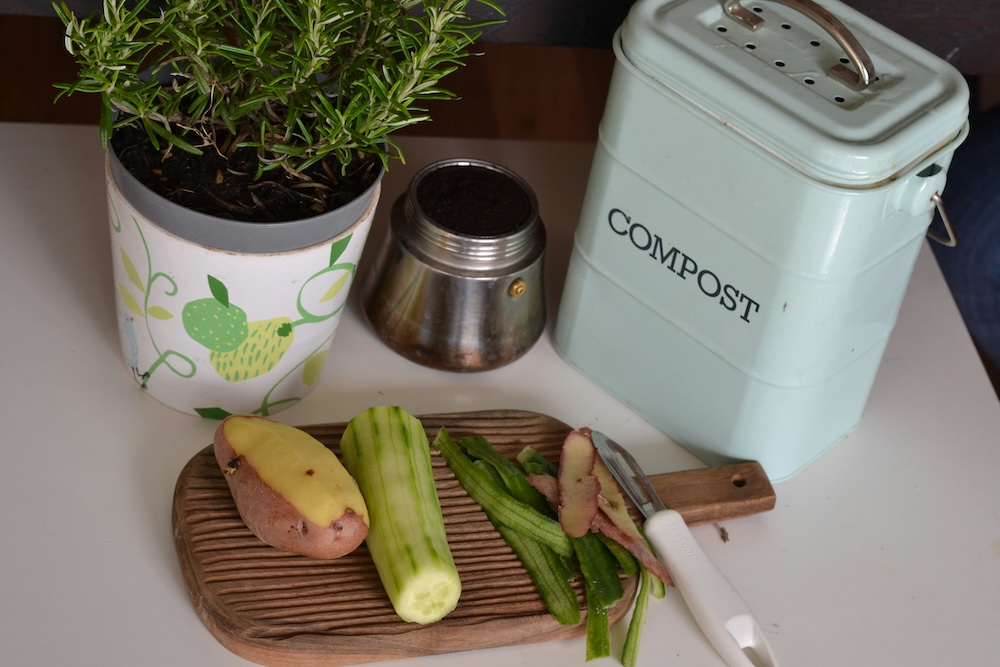
The biggest factor? Households. Residential food waste dropped by about 950,000 tons: the largest share of the overall reduction. People bought roughly the same amount of food, but managed it better, likely because sustained high grocery prices forced more intentional habits.
Among the consumers spending more on groceries:
- 87% check what's at home before shopping
- 76% monitor what needs to get used up
- 76% are eating more leftovers
- 72% plan meals or make lists
- 62% are using their freezer more
If you're looking for ways to do the same, the I Value Food resource hub has practical tools to get started, from food storage basics to tips on using up what's already in your fridge.
What's happening at the policy level
The legislative landscape picked up significantly in 2025:
- 110 food-waste-related bills introduced across state legislatures, 24 passed
- Maine became the 12th state with a food waste diversion policy
- The Food Date Labeling Act gained bipartisan support in the Senate. If passed, it could address 3.5 million tons of food discarded annually over label confusion and save consumers $1.3 billion per year
- EPA launched Feed It Onward, a federal initiative connecting food donors and waste-reduction organizations with communities facing food insecurity
On the funding side, private investment in food waste solutions rose 16% in 2025, pushing total sector funding up to $794 million—the first growth in four years.
What's ahead
ReFED is cautiously optimistic that we've moved past "peak food waste." A few things they're watching in 2026: California's greenhouse gas reporting regulations go into effect this year for Scope 1 and 2 emissions, with Scope 3 (which will include food waste) kicking in by 2027 for companies doing over $1 billion in revenue in the state. The food service sector is making progress too: U.S. Food Waste Pact signatories cut 4,000 tons of waste and saved $15.9 million in food costs.
The 2.2% total decline in food waste marks real progress, and the fact that it was driven largely by household behavior suggests individual habits can move the needle at scale.