For a long time, the used electric vehicle market felt like it was lagging behind the promise. New EV prices were dropping, but the secondhand market was slow to follow, leaving cost-conscious or sustainability-minded buyers in a frustrating middle ground. In 2026, a wave of off-lease vehicles has flooded inventory, prices have dropped dramatically, and a used EV has become a genuinely practical choice for a much wider range of buyers. Here’s what the market looks like right now, and what to know before you shop.
A market that’s found its footing
Used EVs are having a moment. Sales jumped nearly 25% compared to this time last year, and the selection available to buyers has widened significantly as vehicles from the 2023 leasing boom cycle back onto the market. Practically, that means more makes, more price points, and less hunting around to find something that fits your needs.
The average used EV in May 2026 was listed around $37,000, sitting a little over $2,000 above a comparable gas car. That figure gets pulled up by pricier models at the top of the market, as more than half of all used EVs are priced under $30,000.
More importantly, once you’re behind the wheel, the economics shift in your favor. Electric motors convert around 90% of the energy they draw into actual motion; gas engines manage less than 25%. That efficiency gap is what drives lower fuel and maintenance costs over time, and why research consistently finds that the total cost of owning an EV comes out lower than a gas equivalent, even when you pay more upfront.
Incentives: what’s still on the table
The federal Previously-Owned Clean Vehicle Credit expired on September 30, 2025, eliminated as part of the One Big Beautiful Bill Act. Vehicles purchased after that date are ineligible. While that’s discouraging, state-level programs have stepped into the gap. Active programs as of June 2026, according to Recurrent, include:
- Colorado: VXC rebate, up to $6,000 for income-qualified buyers
- Massachusetts: MOR-EV program
- California: DCAP and Clean Cars 4 All
- Pennsylvania: AFV Rebate Program
- Oregon: Charge Ahead Rebate
It’s also worth checking with your utility provider—many offer $250–$500 rebates toward home charger installation that don’t get nearly enough attention. PlugStar’s incentive lookup tool will show you what’s available in your specific area.
Finding a reliable vehicle
For a lot of buyers, the battery is a big source of anxiety and that’s a completely understandable concern. It also calls for a slight shift in mindset: with a used electric car, the mileage matters far less than it would on a gas car.
The good news is that most EVs lose only a small fraction of their original range over time, and they lose it slowly. Studies tracking tens of thousands of vehicles on the road suggest the average car still has more than 80% of its original capacity after eight years of driving. Moreover, most used EVs on the market right now are recent enough that their batteries are still covered under the original manufacturer warranty, typically eight years or 100,000 miles, which is longer than most gas cars.
Before you commit to anything, it’s worth seeing how a specific model has held up for the people who actually own one. Recurrent tracks real owner data on range and reliability over time, and bothConsumer Reports and MotorTrend publish reliability rankings worth cross-checking. And if you want to know exactly what to look for in regards to battery health, GreenCars walks you through it in plain terms.
The charging question
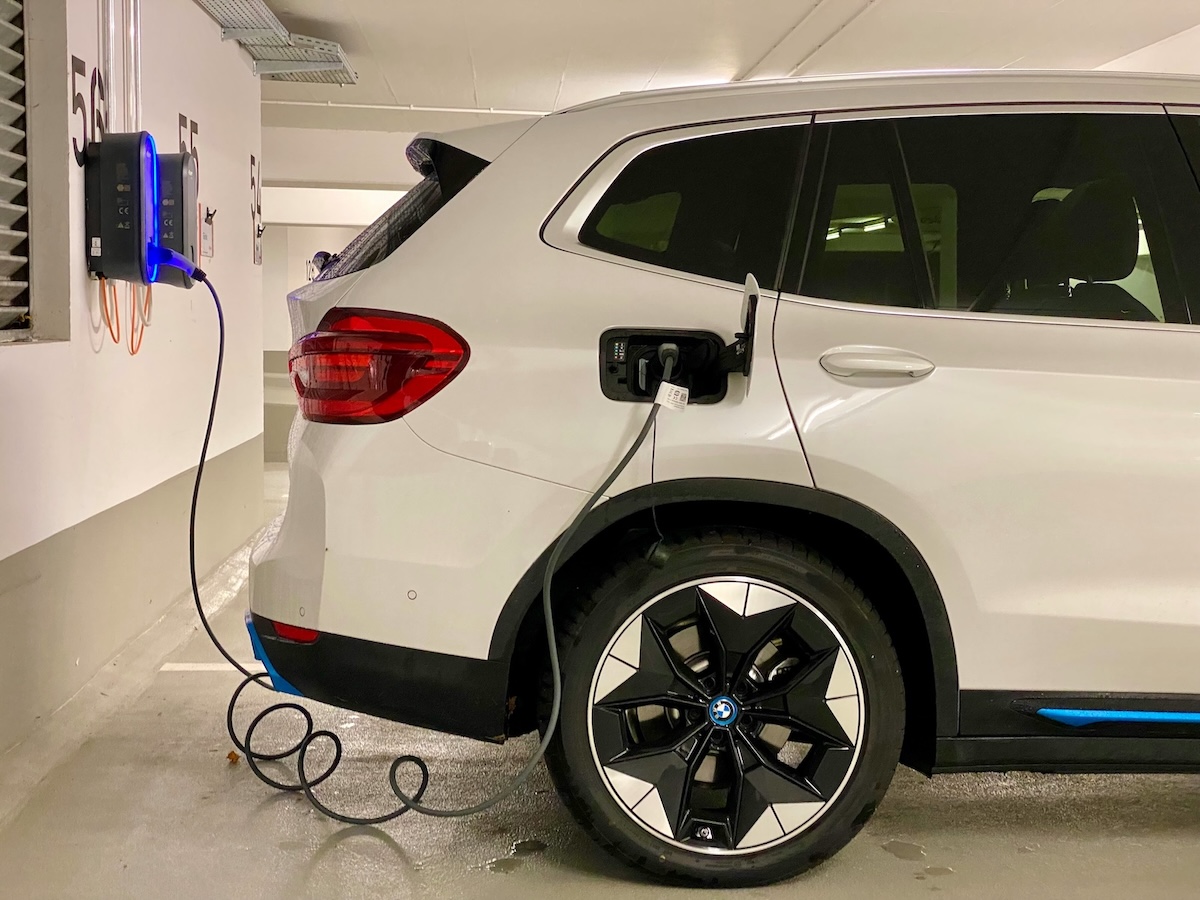
Charging is another consideration. Someone who can charge at home each night tends to have the smoother experience, though how easy public charging feels depends a good deal on where you live, since charger density and electricity rates vary widely across the country.
Of course, home charging assumes you have somewhere to plug in, which isn’t a given for everyone. If you rent, live in an apartment or condo, or don’t have a driveway or garage, the EPA's home charging guide walks through the options and questions worth raising with a landlord or building. And if you want a practical breakdown of the whole home-versus-public decision, including charger types, installation costs, and connector compatibility, Car and Driver’s charging guide and Webb Cars’ explainer are good places to start.
Is a hybrid the smarter call?
For some buyers, a used plug-in hybrid (PHEV) genuinely makes more sense, not because fully electric vehicles aren’t worth it, but because personal circumstances vary. If any of the following describes you, a PHEV is worth serious consideration:
- You don’t have reliable access to home charging
- You regularly drive distances that would require multiple public charging stops
- You live somewhere with thin charging infrastructure
The trade-off is that a PHEV carries both a battery and a combustion engine, which means more complexity and more to maintain. If you rarely end up charging, the environmental and fuel-cost benefits of PHEV erode. For some guidance on how to make that call, Edmunds’ EV guide and Consumer Reports both walk through the decision.
The road from here
The used EV market has arrived at an inflection point that has been a long-time coming: more affordable, more practical vehicles sitting on lots right now, in a wider range of budgets and body styles. While incentives have shifted and navigating current programs takes a little homework, the underlying value proposition is stronger than it’s ever been. 2026 is a reasonable moment to take the plunge.