


What it costs to keep your home warm this winter depends a lot on how you heat it. The U.S. Energy Information Administration expects households that heat with natural gas to spend about $640 between November and March, down 9% from last winter. Homes that heat with electricity are looking at about $1,196, up 4%. Propane households will spend around $1,246, and heating oil households, mostly in the Northeast, face a steep jump: about $2,115, up 21%.
Natural gas and electricity each heat more than four in ten U.S. homes, and propane and heating oil cover most of the rest. But a growing number of households are weighing a different option. Heat pumps are quickly rising in popularity, and they can lower both heating bills and emissions. Here's how they work, who saves the most, and what it takes to make the switch.
How a heat pump actually works
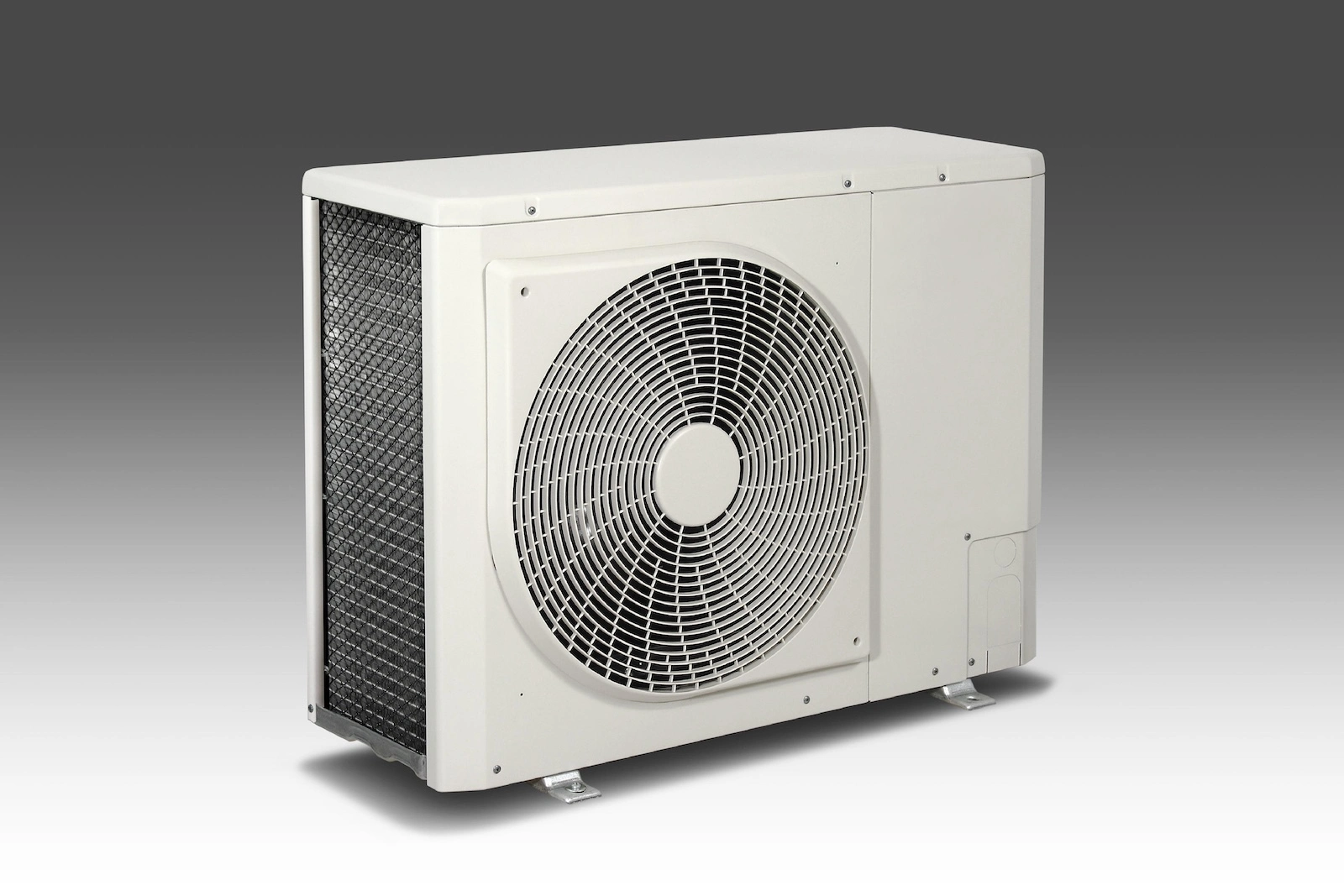
A heat pump doesn't burn fuel to make heat. It moves heat that already exists from one place to another. The Department of Energy compares it to a refrigerator, which pulls heat out of the fridge and releases it into your kitchen. In the winter, a liquid called refrigerant flows through the outdoor unit and absorbs heat from the outside air, which still holds heat even when it's cold. As it warms, the refrigerant turns into a gas. A compressor then squeezes that gas, raising its temperature well above the outdoor air. The hot refrigerant flows to an indoor coil, where it releases its heat into the air blown through your home, cools back into a liquid, and heads outside to start the cycle again. In summer, a valve reverses the flow so the system pulls heat out of your home instead, working as an air conditioner.
Because a heat pump moves heat instead of making it, it can deliver more heat energy than it uses in electricity. That's the source of its efficiency. Heat pumps come in a few forms: ducted systems use existing ductwork, while ductless "mini-splits" mount on the wall and suit homes with radiators, baseboard heat or space heaters.
The most common worry is that heat pumps can't keep up in a real winter, but newer cold-climate models are built for it. New York State's energy research agency tracked 12 homes heated mainly by cold-climate heat pumps through intense cold snaps, and indoor temperatures held at or near the thermostat setting. A Department of Energy field test in real homes adds to the evidence. The catch is installation: a system that's the wrong size or poorly installed won't perform like the ones in those studies, so an experienced installer matters as much as the equipment.
Heat pumps go mainstream
Heat pumps are no longer a niche product. Industry data shows U.S. heat pump shipments outpacing gas furnaces in the first months of 2026, and demand has held up even after federal tax credits ended.
The power grid can handle the shift, too. A new report from the energy think tank RMI found that unused winter grid capacity could support heat pumps in about 109 million U.S. homes, roughly 75% of the country.
Will it lower your bill?
Switching to a heat pump moves your heating from one bill to another. Your gas, oil or propane bill shrinks or disappears, and your electric bill goes up. Whether you come out ahead depends mostly on what you're replacing.
For homes that heat with heating oil, propane or electric baseboard, the savings are clearest. A National Renewable Energy Laboratory study that modeled 550,000 homes found that 92% to 100% of these households would save if they already have air conditioning, with median savings of $300 to $650 a year. With oil prices up sharply this winter, that gap is only wider.
For natural gas homes, it depends on where you live. In many parts of the country, gas costs less than electricity for the same amount of energy, so a heat pump's efficiency doesn't always add up to a lower total bill. Your local gas and electric rates will decide it. Efficiency matters, too: the same study found that minimum-efficiency heat pumps could raise bills for 39% of households, compared with just 5% for higher-efficiency models.
The climate case is more clear-cut. NREL found that widespread heat pump adoption could cut U.S. residential greenhouse gas emissions by 36% to 64%, with emissions falling in every state and the biggest drops where heat pumps replaced fossil fuel heating.
Paying for it in 2026
Upfront cost remains the biggest barrier, and federal help has shrunk. The energy efficient home improvement tax credit, which covered heat pumps, no longer applies to systems installed after December 31, 2025. Some websites still list the old end date, so double-check any quote that counts on it.
State-run home electrification rebates can still cover much of the cost for income-eligible households, though availability varies widely and funds have already run out in some places. The Department of Energy's home upgrades page is a good place to see what's offered where you live. Many utilities offer their own rebates as well, and some states are adding new options. In California, a new law requires utilities to offer customers money to electrify before replacing their gas service lines.
Not ready to switch?
A heat pump is a big decision, and it doesn't have to happen this winter. Sealing air leaks, adding insulation and keeping your current system maintained will lower your bill now and make any future heat pump work better.
If your furnace still has some life left, a hybrid could be a middle path. A "dual-fuel" system pairs a heat pump with an existing gas or propane furnace: the heat pump does most of the work, and the furnace takes over on the coldest days.

Before your furnace decides for you
If you heat with oil, propane or electric baseboard, a heat pump is likely to cut your bill. If you heat with natural gas, run the numbers with your local rates. Either way, the worst time to weigh your options is in January, when your old system quits and you have to replace it fast. Getting a few quotes now means the choice stays yours.
