Every red light costs fuel. Research has found that pollution levels at traffic intersections can be up to 29 times higher than on open roads, with roughly half of that driven by what traffic engineers call the stop-idle-accelerate cycle: braking to a full stop, sitting idle, then using a burst of energy to get back up to speed.
We tend to think of fuel efficiency as a vehicle-level problem: buy a hybrid, switch to an EV, keep your tires inflated. But a growing body of research suggests that the traffic signals themselves, how they're timed, how they respond to traffic, and how they communicate with vehicles, may be an underrated lever for reducing emissions.
What better signals look like
Most U.S. traffic signals still run on pre-timed plans, updated on cycles measured in years rather than seconds. They're static infrastructure in a dynamic system. And they're generally optimized to minimize delays and get cars through intersections faster, rather than minimize fuel consumption. Those aren’t the same problem.
How much fuel is actually wasted depends on who you ask. One study of a four-intersection corridor in Charlottesville, Virginia found that when signal timing was optimized directly for fuel use rather than delay, savings jumped to roughly 20% for both fuel consumption and CO₂ emissions. A separate effort across 14 intersections in Park City, Utah achieved only about 1.5%. The variation likely reflects differences in baseline conditions, traffic volumes, and modeling approaches, but the research consistently points to an overall reduction in emissions.
The simplest intervention is retiming existing signals using better data. Google's Project Green Light uses aggregated Maps driving data to model intersection performance and recommend timing adjustments to city engineers. In Boston, the program has been applied to over 100 intersections across 20 neighborhoods, with the city reporting up to 33% fewer unnecessary stops.
The next step up is fully adaptive systems, or signals that adjust in real time based on sensor data. Pittsburgh's Surtrac system, developed at Carnegie Mellon, uses decentralized AI at each intersection. Each signal plans its own timing and communicates with its neighbors. The initial pilot reported 25% less travel time and an estimated 20% reduction in emissions. By 2019 it had expanded to 50 intersections in Pittsburgh, with federal and state funding secured for up to 150 more. The system has also been commercially deployed in cities including Atlanta, Portland, Maine, and Quincy, Massachusetts.
Then there's vehicle-to-infrastructure communication. Green Light Optimized Speed Advisory (GLOSA) systems tell drivers what speed to maintain to catch the next green. Field tests on heavy-duty diesel trucks showed 17–24% fuel savings, primarily by smoothing out the aggressive acceleration and braking cycles that signals typically force.
At scale, these interventions could add up. A 2025 study simulated adaptive signal deployment across China's 100 most congested cities and estimated it could eliminate over 30 million metric tons of CO₂ per year, with every dollar spent returning roughly twenty in societal benefit. Even targeting just the worst 20% of intersections captured most of the gains.
What makes signal optimization different from individual vehicle efficiency is the reach. A retimed light affects every vehicle that passes through, whether it be a bus, delivery truck, or commuter, without requiring individuals to buy anything or change their behavior.
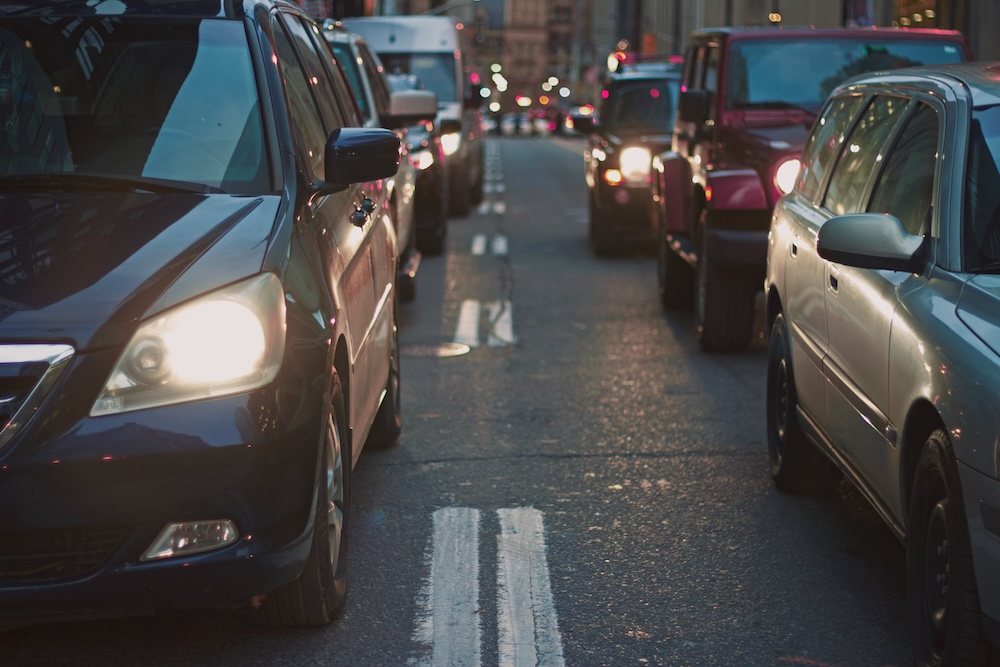
What about electric vehicles?
It's reasonable to ask whether signal optimization matters once vehicles go electric, but it still plays a role. Smoother signal progression means less energy consumed per trip, extending EV range. It means less brake dust and tire particulate pollution—an increasingly recognized air quality problem that electrification doesn't address. And it could mean lower peak demand on a grid that's going to be under considerable new pressure from transportation charging.
Reducing car traffic altogether
Making vehicles and intersections more efficient matters, but so does reducing overall car dependency. That means investing in public transportation, not just in dense urban cores, but in suburban and semi-rural areas where car reliance is highest and alternatives are fewest. It also means building out micromobility infrastructure—protected bike lanes, e-bike networks, scooter corridors—that gives people viable ways to make short trips without a car. Afterall, the most fuel-efficient intersection is the one fewer cars need to pass through.
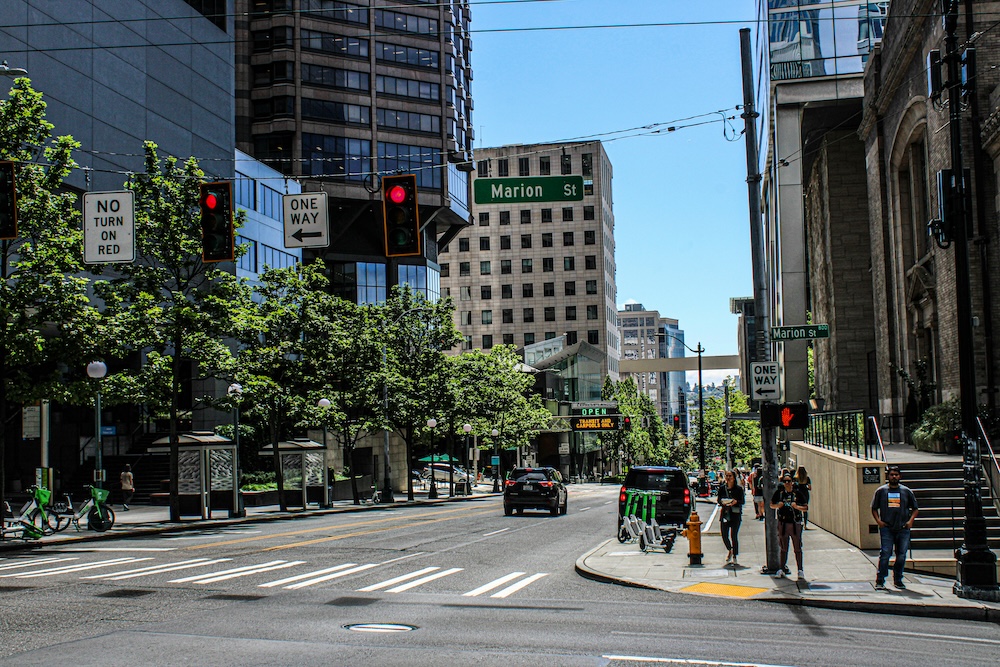
The signal no one's paying attention to
Retimed traffic lights don't typically make the headlines, but the available research suggests that optimizing signals we already have could be one of the cheaper, more scalable emissions interventions available to cities, requiring no consumer behavior change, no new vehicle purchases, and relatively modest capital investment.
It might be worth asking your local representative when they last retimed their signals.